
GLASS & ALUMINUM
BLOG
How Do LED Bathroom Mirrors Work?
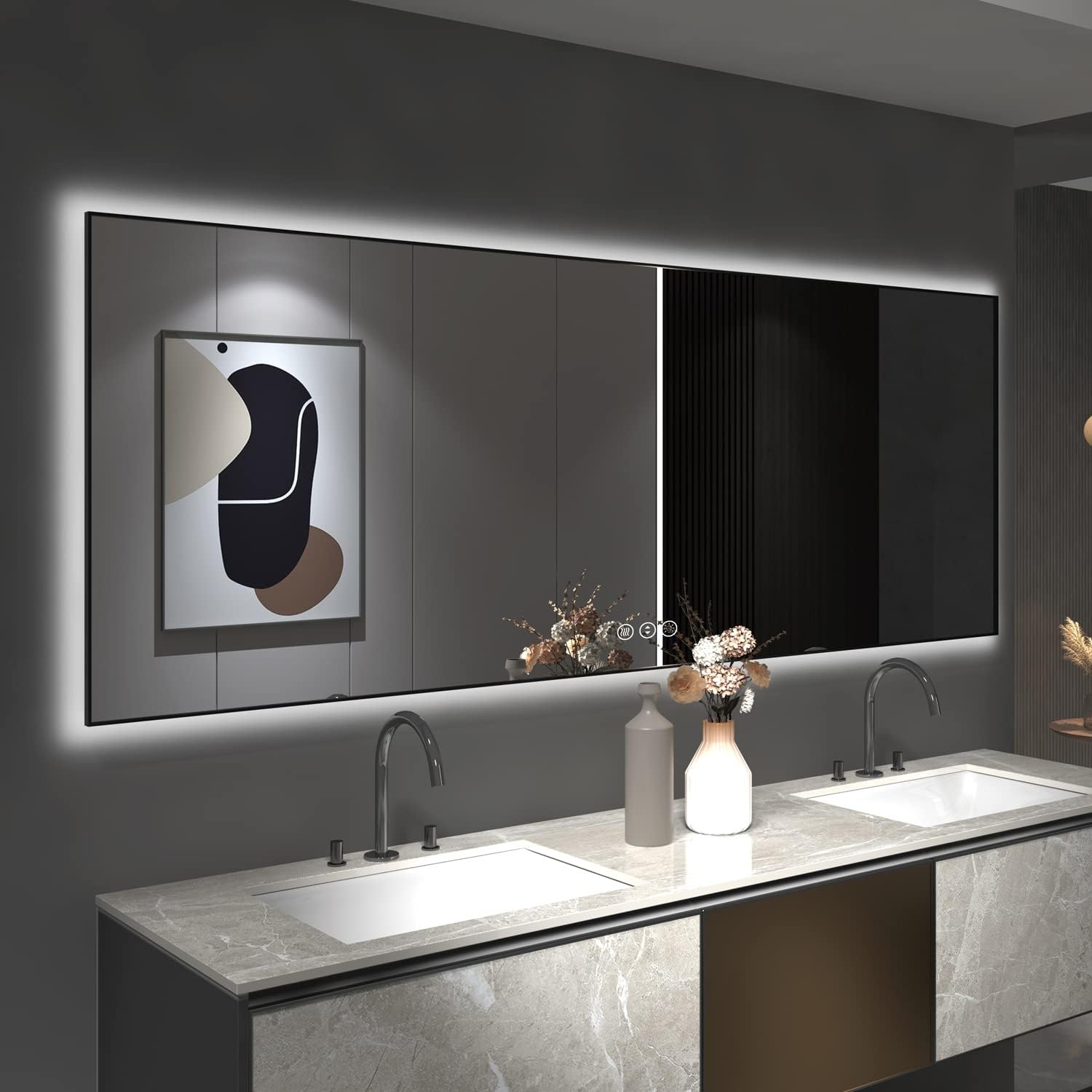
Lighting plays a powerful role in how we experience a space -especially in bathrooms, where clarity, functionality, and ambiance matter equally. Over the past few years, LED mirrors have become a popular upgrade in modern homes, hotels, and commercial spaces. But while many people admire their sleek glow and contemporary look, few actually understand how they function.
An LED bathroom mirror is more than just a reflective surface with lights attached. It is a carefully engineered combination of glass technology, integrated lighting systems, electrical components, and smart features -all designed to enhance visibility, efficiency, and aesthetics.
As a trusted name in custom glass solutions, Safin Glass specializes in precision-crafted LED mirror systems that combine innovation with durability. Let’s take a detailed look at how these modern mirrors actually work.
The Core Structure of an LED Mirror
At its most basic level, a mirror with LED lights consists of three primary components:
High-quality mirror glass
Integrated LED light strips
A power supply and control system
Unlike traditional mirrors that rely on external lighting, an LED wall mirror has built-in illumination. The LEDs are strategically positioned either behind the mirror (backlit), around the edges (edge-lit), or both.
This integrated design ensures even lighting distribution without casting harsh shadows -a major advantage over overhead bathroom lights.
What Makes LED Lighting Different?
LED stands for “Light Emitting Diode.” Unlike conventional bulbs that use filaments or gas, LEDs generate light through semiconductor technology.
Key advantages of LEDs include:
Low energy consumption
Long lifespan (often 30,000–50,000 hours)
Minimal heat production
Consistent brightness
Instant illumination
Because of their compact size, LED strips can be seamlessly embedded into the structure of a led bathroom mirror without adding bulk.
How the Light Is Distributed Evenly
One of the most impressive aspects of a led vanity mirror is how evenly the light spreads across the surface. This is achieved using a diffuser panel.
Behind the glass, manufacturers install:
LED light strips
A frosted acrylic or polycarbonate diffuser
Reflective backing panels
The diffuser softens the brightness and distributes it evenly across the etched portions of the mirror. This prevents bright spots or glare.
The result is a clean, halo-like glow that enhances visibility while maintaining visual comfort.
The Role of Sandblasting or Etching
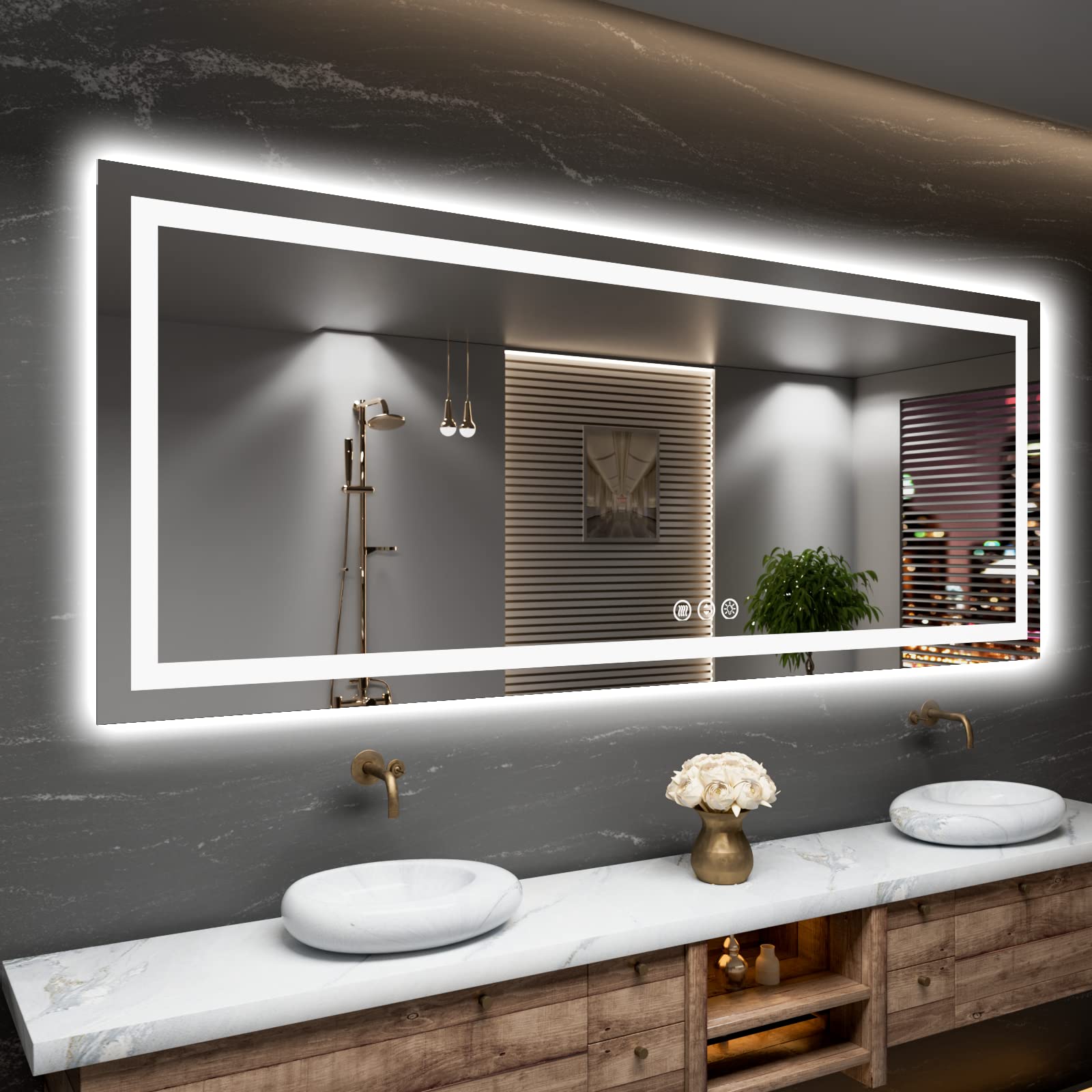
Many mirror with LED lights designs include illuminated borders or shapes. These glowing areas are created through sandblasting or acid etching techniques.
Here’s how it works:
A specific pattern or border is etched into the back of the mirror.
The reflective coating is removed from that section.
LED light passes through the etched portion.
This creates the signature illuminated frame commonly seen in modern led wall mirror designs.
Understanding the Power Supply System
An LED bathroom mirror requires a stable power source. Most systems connect directly to a building’s electrical wiring, while some models offer plug-in options.
The power system includes:
LED driver (converts AC to DC power)
Wiring connectors
On/off switch or touch sensor
Optional dimmer controls
The LED driver regulates voltage to ensure consistent brightness and prevent flickering.
Safin Glass ensures that all LED installations are safely integrated and compliant with electrical standards.
Touch Sensors and Smart Controls
Modern led mirrors often feature built-in touch sensors. These allow users to turn lights on and off with a simple tap on the mirror surface.
Advanced features may include:
Brightness adjustment
Color temperature control
Anti-fog activation
Motion sensors
Bluetooth connectivity
Touch-sensitive controls are integrated beneath the glass surface, maintaining a sleek and seamless appearance.
Anti-Fog Technology Explained
One of the most practical features of a led bathroom mirror is the built-in demister pad.
Bathrooms generate steam during hot showers, which can fog up mirrors. LED mirrors solve this problem using:
A thin heating pad installed behind the glass
Low-voltage electrical heating
Even heat distribution
When activated, the heating pad warms the mirror surface slightly, preventing condensation buildup.
This feature enhances convenience and eliminates the need to wipe the mirror after every shower.
Color Temperature and Lighting Modes
LED mirrors can emit different color temperatures depending on design and preference.
Common options include:
Warm white (around 3000K)
Neutral white (around 4000K)
Cool white (around 6000K)
Some led vanity mirror models allow users to switch between lighting modes, making them suitable for makeup application, shaving, or ambient lighting.
Cool white offers clarity for grooming, while warm tones create a relaxing atmosphere.
Energy Efficiency Benefits
LED mirrors consume significantly less electricity compared to traditional lighting setups.
Energy advantages include:
Lower power usage
Reduced electricity bills
Long operational life
Minimal heat emission
Because LEDs generate very little heat, they are ideal for bathroom environments where moisture and temperature variations are common.
Installation and Mounting Systems
An LED wall mirror is typically mounted using concealed brackets or secure hanging systems.
Installation involves:
Wall anchoring
Electrical connection
Level alignment
Safety sealing
Professional installation ensures durability and prevents electrical hazards, especially in humid environments.
Safin Glass provides precision installation services to ensure long-term safety and functionality.
Safety Features in LED Mirrors
Safety is critical when combining glass and electricity in one product.
High-quality led mirrors include:
Tempered safety glass
Water-resistant components
IP-rated electrical protection
Insulated wiring systems
These features ensure safe operation even in moisture-prone bathroom environments.
Longevity and Maintenance
One of the main reasons homeowners choose mirror with LED lights systems is durability.
LED lights typically last up to 50,000 hours, meaning:
Minimal replacement needs
Low maintenance costs
Long-term reliability
Cleaning requires only a soft cloth and non-abrasive cleaner. The sealed LED system prevents dust and moisture intrusion.
Transform Your Space with Premium Architectural Glass
Custom laminated, decorative & luxury glass solutions for villas, hotels and commercial projects.
Why Choose Safin Glass for LED Mirrors
Safin Glass specializes in custom-designed LED mirror solutions tailored to modern homes and commercial spaces.
Their expertise ensures:
Premium mirror glass quality
Advanced LED integration
Safe electrical configuration
Custom size and shape options
Precision installation
Whether you’re looking for a minimalist led vanity mirror or a full-length led wall mirror, Safin Glass delivers elegant, durable, and energy-efficient solutions.
Final Thoughts
LED bathroom mirrors represent a perfect blend of technology, design, and practicality. By integrating energy-efficient lighting directly into the mirror structure, they eliminate shadows, enhance grooming accuracy, and elevate overall bathroom aesthetics.
From etched illumination borders and smart touch controls to anti-fog systems and adjustable brightness, today’s led mirrors are far more advanced than traditional reflective surfaces.
Understanding how these systems work helps homeowners make informed decisions when upgrading their bathrooms. With professional craftsmanship and innovative engineering, Safin Glass offers LED mirror solutions that combine performance, safety, and modern elegance.
Frequently Asked Questions
1. How does an LED bathroom mirror get power?
It connects to your home’s electrical system through an LED driver that converts power safely for the light strips.
2. Do LED mirrors consume a lot of electricity?
No, LEDs are highly energy-efficient and consume significantly less power than traditional bulbs.
3. Can LED mirrors prevent fogging?
Yes, many models include built-in anti-fog heating pads that prevent condensation buildup.
4. How long do LED lights in mirrors last?
Most LED systems last between 30,000 and 50,000 hours.
5. Are LED mirrors safe for bathrooms?
Yes, when professionally installed with waterproof and insulated components.
6. Can brightness levels be adjusted?
Many modern led vanity mirror models include dimming and color temperature control options.
7. Do LED wall mirrors require special maintenance?
No special maintenance is needed beyond regular cleaning with non-abrasive products.