
GLASS & ALUMINUM
BLOG
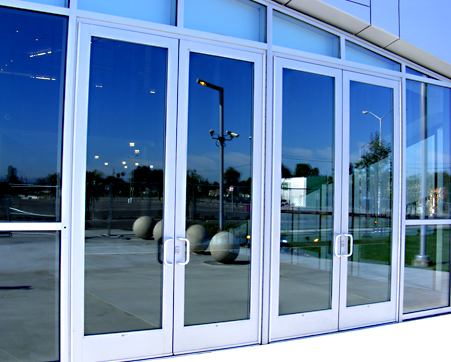
Why Is Glass and Aluminium a Popular Choice for Commercial Buildings?
Modern commercial buildings are designed with a focus on functionality, durability, and visual appeal. Architects and developers today prefer materials that not only enhance the appearance of a structure but also improve its performance and sustainability. Among the many materials used in modern construction, glass and aluminium have become one of the most popular combinations for commercial buildings.
From office towers and shopping malls to hotels and corporate headquarters, glass and aluminium are widely used in exterior facades, windows, partitions, and structural elements. This combination provides strength, flexibility, and modern aesthetics that suit contemporary architectural designs.
In this article, we will explore why glass and aluminium are widely preferred in commercial construction, how they improve building performance, and why businesses continue to choose these materials for modern infrastructure.
Modern Architecture Relies on Glass and Aluminium
One of the primary reasons glass and aluminium are used in commercial construction is their compatibility with modern architecture. Contemporary buildings often emphasize clean lines, open spaces, and natural light.
Glass panels allow sunlight to enter the building, creating bright and comfortable interior environments. At the same time, aluminium frames provide the strength needed to support large glass panels without adding unnecessary weight to the structure.
This combination allows architects to design impressive building exteriors while maintaining structural efficiency.
Strength and Durability for Long-Term Performance
Commercial buildings require materials that can withstand environmental conditions such as heat, wind, dust, and humidity. Glass and aluminium provide excellent durability and long-term reliability.
Aluminium is naturally resistant to corrosion, which makes it suitable for outdoor use in different climates. Unlike many other metals, it does not rust easily and maintains its structural strength for many years.
Glass used in commercial construction is often tempered or laminated, which improves safety and impact resistance. High-quality glass installation ensures that the building facade remains secure and stable even in harsh weather conditions.
Because of these advantages, many businesses choose glass and aluminium solutions for buildings that require long-term structural performance.
Energy Efficiency and Natural Lighting
Energy efficiency has become a major priority for modern commercial buildings. Large glass panels allow natural daylight to enter interior spaces, reducing the need for artificial lighting during the day.
This helps businesses lower electricity consumption while creating a pleasant working environment for employees and visitors.
Advanced glass technologies such as double glazing and low-emissivity coatings improve insulation. These features help maintain indoor temperatures and reduce the workload on air conditioning systems.
When combined with high-quality aluminium frames, the building achieves better thermal performance while maintaining a sleek and modern appearance.
Flexibility in Commercial Building Design
Another advantage of glass and aluminium is design flexibility. Architects can create various structural elements using this combination.
Common applications include:
- Curtain wall systems
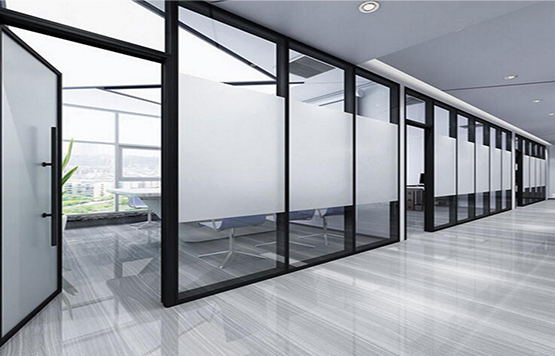
- Glass partitions
- Commercial windows
- Aluminium doors and frames
- Storefront glass installations
- Office glass walls
These features allow buildings to maintain open spaces while separating different functional areas.
For example, office interiors often use glass partitions supported by aluminium frames to create modern workspaces without blocking natural light.
This design flexibility makes glass and aluminium a practical choice for commercial properties.
Low Maintenance Requirements
Maintenance is an important factor in commercial construction. Building owners prefer materials that remain durable with minimal upkeep.
Aluminium requires very little maintenance because it does not corrode easily. Cleaning aluminium frames occasionally is usually enough to maintain their appearance.
Glass panels are also easy to maintain. Regular cleaning keeps them clear and attractive, ensuring that the building continues to look modern and professional.
Compared with traditional building materials, glass and aluminium systems require less maintenance while providing long-lasting performance.
Improved Safety and Structural Reliability
Safety is always a priority in commercial construction. Modern glass installation techniques ensure that glass panels remain secure and resistant to impact.
Tempered and laminated glass are commonly used in commercial buildings because they are designed to break safely if damaged. Instead of forming sharp pieces, they break into small fragments that reduce the risk of injury.
Aluminium frames provide strong support for these glass panels, ensuring that the structure remains stable even under heavy wind pressure.
Because of these safety features, glass and aluminium systems are widely trusted for large commercial projects.
Professional Glass Installation Matters
Proper glass installation is essential for ensuring structural integrity and performance. Poor installation can lead to issues such as air leaks, water penetration, or structural instability.
Professional glass installation ensures that panels are securely fitted and sealed correctly. Skilled technicians carefully align frames, apply insulation materials, and secure glass panels to maintain stability.
Working with an experienced glass and aluminum company ensures that the installation process follows industry standards and safety requirements.
This professional approach helps maximize the lifespan and performance of the building facade.
Role of Aluminium Manufacture in Commercial Construction
The process of aluminium manufacture has evolved significantly over the years. Modern manufacturing techniques allow suppliers to produce aluminium components that meet precise architectural specifications.
Aluminium can be easily shaped and fabricated into various structural elements such as frames, doors, window systems, and curtain wall supports.
Because aluminium is lightweight yet strong, it allows builders to create large glass surfaces without placing excessive load on the building structure.
Reliable aluminum material suppliers play a critical role in providing high-quality materials that meet construction requirements.
By using well-manufactured aluminium components, construction companies ensure that buildings maintain strength and stability for many years.
Transform Your Space with Premium Architectural Glass
Custom laminated, decorative & luxury glass solutions for villas, hotels and commercial projects.
Enhancing the Visual Appeal of Commercial Buildings
Commercial buildings often serve as a reflection of a company's brand and professionalism. Modern glass facades combined with aluminium framing create a sleek and sophisticated appearance.
Glass surfaces provide transparency and openness, while aluminium frames add a structured and refined design element.
Many shopping malls, corporate offices, and luxury hotels rely on glass and aluminium architecture to create a striking visual impression.
This modern design approach helps attract customers, clients, and investors by presenting a professional and contemporary image.
Sustainability and Environmental Benefits
Sustainability has become an important focus in modern construction. Glass and aluminium contribute to environmentally friendly building practices in several ways.
Aluminium is highly recyclable and can be reused without losing its strength or quality. Recycling aluminium also requires less energy compared to producing new materials.
Glass allows buildings to maximize natural light, which reduces energy consumption for lighting systems.
These environmental benefits make glass and aluminium a preferred choice for companies that want to build sustainable commercial structures.
Why Businesses Continue to Choose Glass and Aluminium
Businesses choose glass and aluminium for commercial construction because these materials combine aesthetics, strength, and efficiency.
They support modern architectural designs while providing long-lasting performance and energy efficiency. Their flexibility allows architects to design unique building structures while maintaining safety and durability.
As commercial construction continues to evolve, the demand for reliable glass installation services and high-quality aluminium manufacture will continue to grow.
This trend highlights the importance of working with experienced professionals and trusted aluminum material suppliers to ensure successful construction projects.
Final Thought
Glass and aluminium have become essential materials in modern commercial architecture. Their strength, flexibility, and visual appeal make them ideal for office buildings, retail centers, hotels, and corporate spaces.
When properly designed and installed, these materials create structures that are both attractive and highly functional. From improving natural lighting to supporting sustainable construction, glass and aluminium offer numerous advantages for modern buildings.
With the support of experienced glass and aluminum company professionals, businesses can achieve high-quality installations that enhance both the appearance and performance of their commercial properties.
Choosing the right materials and installation experts ensures that commercial buildings remain durable, efficient, and visually impressive for many years.
Frequently Asked Questions
Why are glass and aluminium commonly used in commercial buildings?
Glass and aluminium are popular because they provide durability, modern aesthetics, energy efficiency, and flexibility in architectural design.
Is aluminium suitable for outdoor construction?
Yes. Aluminium is highly resistant to corrosion and environmental damage, making it ideal for exterior building structures.
What types of glass are used in commercial buildings?
Commercial buildings typically use tempered glass, laminated glass, and insulated glass units for strength, safety, and energy efficiency.
Why is professional glass installation important?
Professional glass installation ensures proper alignment, sealing, and structural stability, which helps prevent leaks, damage, and safety risks.
Are glass and aluminium environmentally friendly materials?
Yes. Aluminium is recyclable and glass helps maximize natural lighting, which reduces energy consumption in buildings.
Where are glass and aluminium commonly used in commercial construction?
They are commonly used for building facades, curtain walls, office partitions, windows, doors, and storefront installations.