
GLASS & ALUMINUM
BLOG
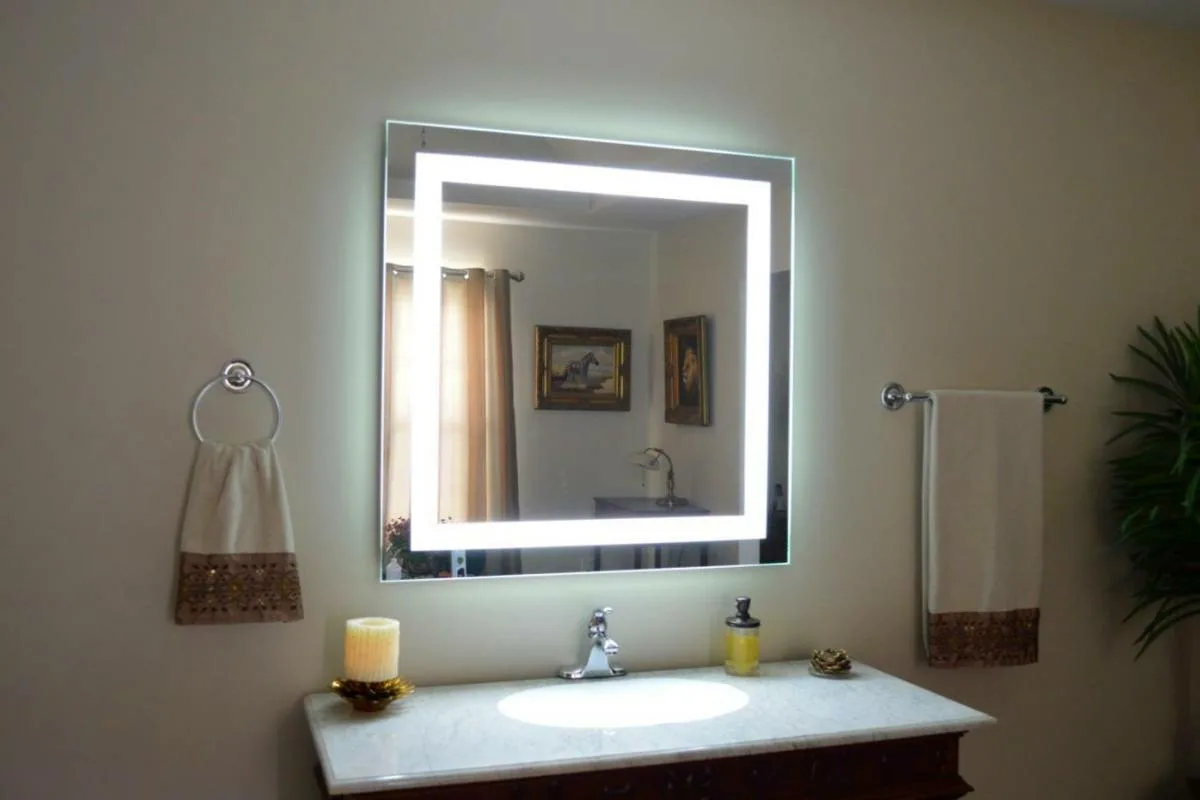
Do LED Mirrors Use a Lot of Electricity
Modern homes are increasingly adopting smart and energy efficient solutions, and LED mirrors are a perfect example of this trend. These mirrors combine functionality with style, offering built in lighting that enhances both aesthetics and usability.
Many homeowners considering led mirrors often wonder about their electricity consumption. Since these mirrors include integrated lighting, it is natural to question whether they significantly increase energy bills.
The good news is that LED technology is designed to be highly energy efficient, making these mirrors a practical and cost effective addition to any space.
Understanding How LED Lighting Works
LED stands for light emitting diode, a technology that produces light through electrical current passing through a semiconductor. Unlike traditional bulbs, LEDs convert most of the energy into light rather than heat.
This efficiency is what makes LED lighting so popular in modern homes. Compared to incandescent or fluorescent lights, LEDs use significantly less power while providing the same or even better brightness.
When used in mirrors, LED lights are strategically placed to provide even illumination without consuming excessive electricity.
Do LED Consume a Lot of Power
The simple answer is no, LED mirrors do not use a lot of electricity. In fact, they are one of the most energy efficient lighting options available.
A typical led bathroom mirror uses only a small amount of power, often ranging between 15 to 30 watts depending on size and brightness. This is much lower compared to traditional lighting fixtures that may consume significantly more energy.
Because of this low power consumption, using an LED mirror regularly will have minimal impact on your overall electricity bill.
Transform Your Space with Premium Architectural Glass
Custom laminated, decorative & luxury glass solutions for villas, hotels and commercial projects.
Energy Efficiency Compared to Traditional Lighting
Traditional lighting solutions such as incandescent bulbs are known for their high energy consumption and heat output. These lights waste a large portion of electricity as heat rather than light.
LED mirrors, on the other hand, are designed to maximize efficiency. They provide bright, clear illumination while using a fraction of the energy.
This makes them an excellent choice for areas like bathrooms and dressing spaces where lighting is used frequently.
Switching to LED based solutions can lead to noticeable energy savings over time.
Cost Savings Over Time
Although LED mirrors may have a higher initial cost compared to regular mirrors, they offer long term savings due to their energy efficiency.
Lower electricity consumption means reduced utility bills. Additionally, LED lights have a much longer lifespan, often lasting tens of thousands of hours.
This reduces the need for frequent replacements, saving both time and money in the long run.
Investing in a led vanity mirror can therefore be a smart financial decision for homeowners.
Brightness Without High Energy Usage
One of the biggest advantages of LED mirrors is their ability to provide bright and consistent lighting without high energy consumption.
These mirrors are designed to distribute light evenly, eliminating shadows and improving visibility. This is especially useful for tasks like grooming, makeup application, and shaving.
A mirror with led lights ensures optimal brightness while maintaining energy efficiency, making it both practical and eco friendly.
Environmental Benefits of LED Mirrors
Energy efficiency is not just about saving money; it also has a positive impact on the environment. Lower electricity usage reduces carbon emissions and helps conserve natural resources.
LED lighting is also free from harmful substances like mercury, which is commonly found in some traditional lighting options.
By choosing LED mirrors, homeowners contribute to a more sustainable and environmentally friendly lifestyle.
Factors That Affect Electricity Usage
While LED mirrors are generally energy efficient, their actual electricity consumption can vary based on several factors.
The size of the mirror plays a role, as larger mirrors with more lights may use slightly more power. Brightness settings also affect energy usage, especially in mirrors with adjustable lighting.
Usage duration is another factor. Keeping the mirror lights on for extended periods will naturally increase electricity consumption, although it will still be relatively low compared to other lighting options.
A led wall mirror with smart controls can help optimize energy usage by allowing users to adjust brightness as needed.
Smart Features and Energy Control
Many modern LED mirrors come with advanced features such as touch controls, dimming options, and motion sensors.
These features allow users to control lighting more efficiently, ensuring that energy is used only when needed.
For example, motion sensors can automatically turn the lights on and off, reducing unnecessary usage. Dimming options allow users to adjust brightness based on the time of day or specific tasks.
These smart features further enhance the energy efficiency of LED mirrors.
Maintenance and Longevity
LED mirrors require minimal maintenance compared to traditional lighting solutions. Since LED lights have a long lifespan, there is no need for frequent replacements.
This not only reduces maintenance costs but also ensures consistent performance over time.
Proper care and usage can extend the lifespan of the mirror, making it a durable and reliable addition to your home.
Are LED Mirrors Suitable for Everyday Use
LED mirrors are designed for regular use and are highly suitable for everyday applications. Their low energy consumption makes them ideal for spaces where lighting is needed frequently.
Whether used in bathrooms, bedrooms, or dressing areas, these mirrors provide reliable illumination without significantly increasing electricity costs.
Their combination of functionality, efficiency, and style makes them a popular choice among modern homeowners.
Common Misconceptions About LED Mirrors
Some people believe that built in lighting automatically means higher electricity usage. However, this is not true in the case of LED mirrors.
Another misconception is that brighter light requires more energy. In reality, LED technology allows for high brightness with minimal power consumption.
Understanding these facts can help homeowners make informed decisions when choosing lighting solutions.
Final Thoughts
LED mirrors are an energy efficient and practical solution for modern homes. They provide excellent lighting while consuming very little electricity, making them a cost effective and environmentally friendly choice.
From enhancing daily routines to improving the overall look of a space, these mirrors offer numerous benefits without adding significant energy costs.
Safin Glass highlights the importance of combining functionality with efficiency through its blogs, helping homeowners make smarter choices for their living spaces. By choosing LED mirrors, you can enjoy bright, reliable lighting while keeping energy consumption low.
Frequently Asked Questions
Do LED mirrors increase electricity bills significantly?
No, they use very little power and have minimal impact on electricity bills.
How long do LED mirror lights last?
LED lights can last for thousands of hours, making them highly durable.
Can LED mirrors be used all day?
Yes, they are designed for regular use and remain energy efficient.
Are LED mirrors brighter than normal lights?
Yes, they provide bright and even illumination while using less energy.
Do LED mirrors require frequent maintenance?
No, they require very little maintenance due to their long lifespan.